July 24, 2024
July 10, 2024
July 1, 2024
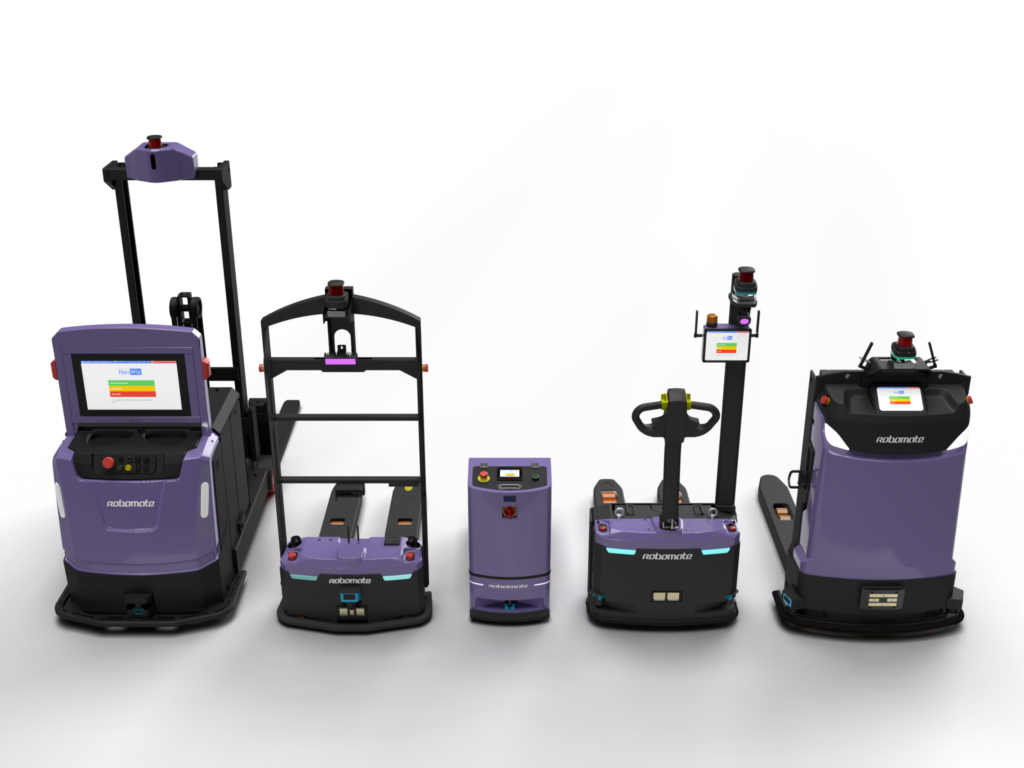
India’s automotive industry is in the midst of a technological transformation, driven by the growing adoption of Autonomous Mobile Robots (AMRs). As a critical component of modern manufacturing, AMRs are reshaping production processes and logistics in automotive plants across the country. With India aspiring to become a global manufacturing hub, these robots are pivotal to boosting efficiency, enhancing safety, and maintaining competitiveness on the world stage. This article explores the impact of AMRs in India’s automotive sector and highlights how companies like DF Automation are leading the charge with their innovative AMR solutions. Figure 1 presents the AMR products developed by Robomate. Figure 1shows Autonomous Mobile Robot (AMR) products of Robomate.
The automotive industry has long been a cornerstone of India’s industrial landscape. As one of the largest automotive markets in the world, India plays host to a mix of global giants and domestic manufacturers. Cities like Chennai, Pune, and Gurugram are well-known for their automotive manufacturing prowess, and the demand for automation in these regions has never been higher.
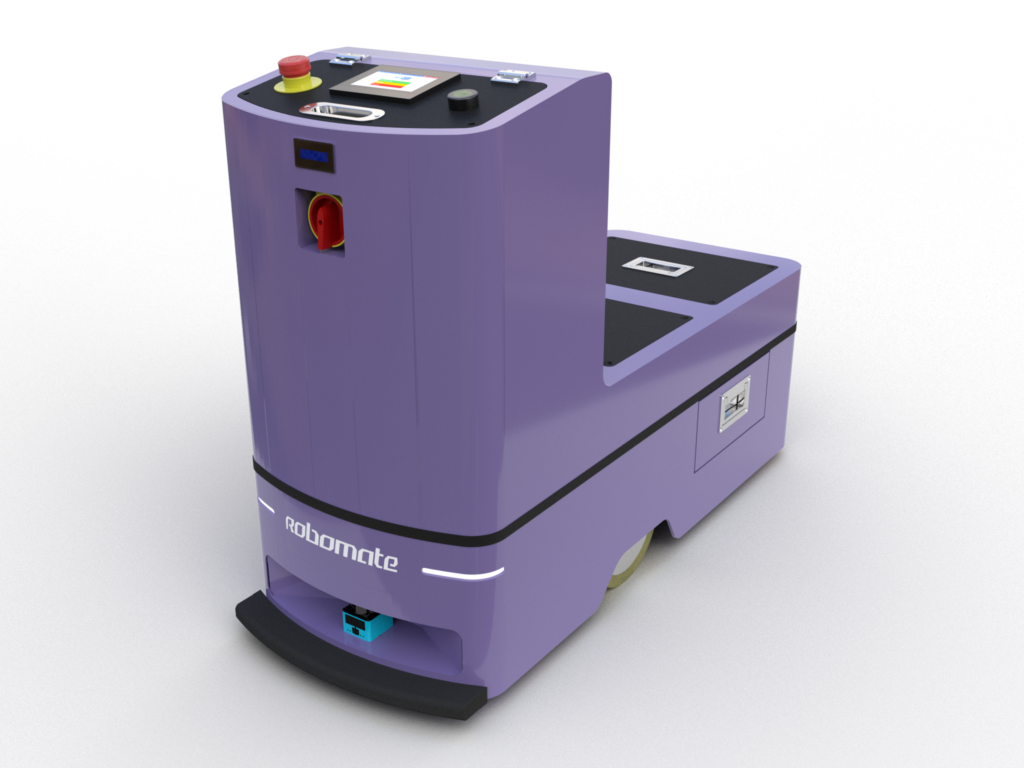
AMRs, with their autonomous navigation and material handling capabilities, are quickly becoming indispensable tools in these plants. The increasing need for just-in-time production, optimized logistics, and higher safety standards are driving the adoption of AMRs not just among large corporations but also among smaller manufacturing units. Whether it’s moving materials between assembly lines or transporting finished products, (refer to Figure 2, Towing Series Magnetic Strip Guidance (RM-TW05)), AMRs streamline operations by reducing human intervention, speeding up processes, and minimizing errors. Business Standard
Here are some examples of how AMRs are being utilized across various automotive manufacturers in India:
India’s journey towards becoming a global manufacturing leader is bolstered by initiatives such as “Make in India” and the “National Manufacturing Policy.” These government-driven programs are designed to attract investment, promote local production, and create a favorable environment for industrial growth. AMRs are at the heart of this transition, representing the advanced automation technologies necessary to compete globally in the age of Industry 4.0.
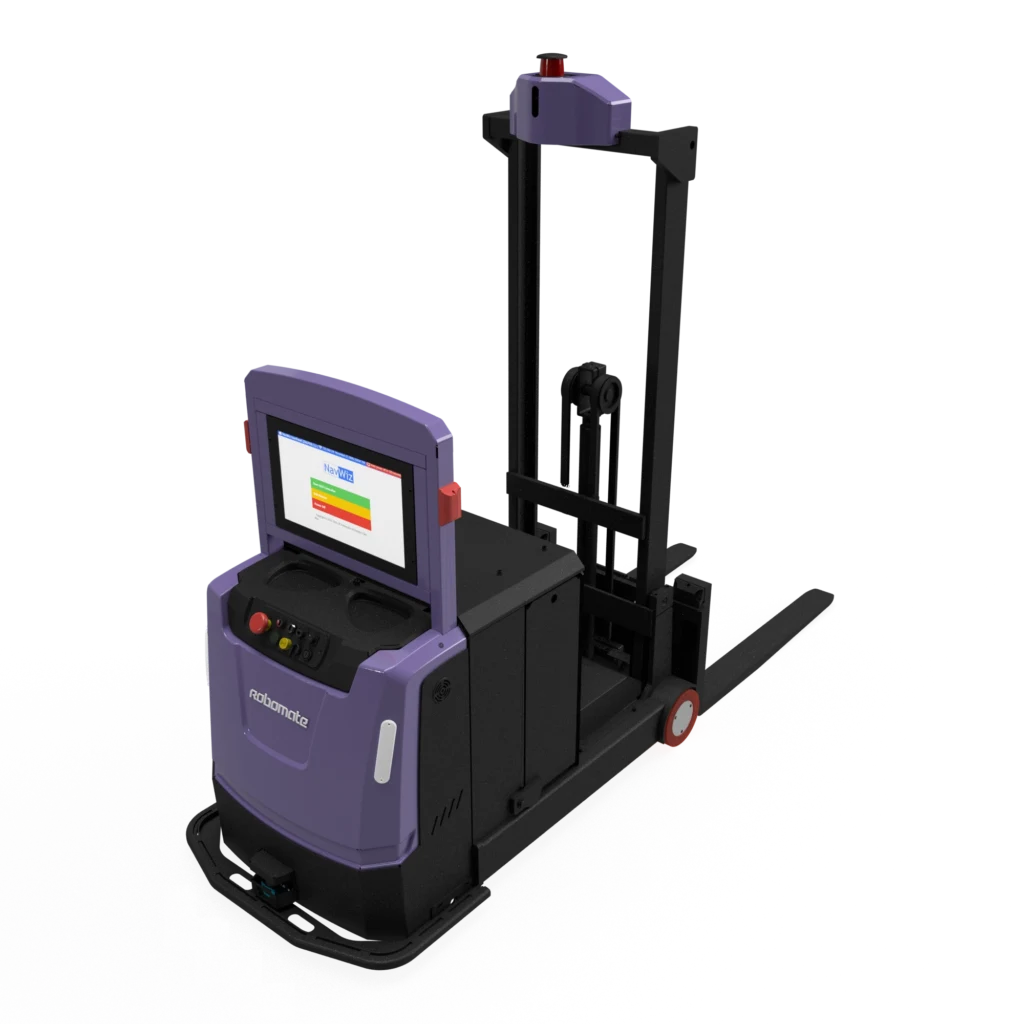
Robomate plays a crucial role in this transformation with their cutting-edge AMR solutions, such as the NavWiz navigation system and DFleet fleet management system. NavWiz allows AMRs to navigate complex factory environments autonomously, while DFleet enables seamless management of multiple AMRs within a single facility. Figure 3 shows Reach Truck Series Top LiDAR Guided (RM-CB15) from Robomate. This integration with other factory systems, such as Manufacturing Execution Systems (MES) and Enterprise Resource Planning (ERP), ensures that Indian manufacturers can take full advantage of smart manufacturing technologies.
As India continues its push towards becoming a global manufacturing hub, the role of AMRs in the automotive industry is set to expand further. The flexibility, scalability, and efficiency that AMRs offer make them an essential part of the future of manufacturing. Examples of Autonomous Mobile Robots (AMRs) from Robomate that are well-suited for the automotive industry include:
Pallet handling from heights is commonly used to supply materials to production lines and collect goods after submodule assembly. Our stacker series is particularly well-suited for the automotive industry, where it can autonomously handle carts that store components like engines and body panels using AMRs.
For continuous material movement, AMRs/AGVs can operate in a unidirectional loop, efficiently delivering supplies to the assembly line. Additionally, AMRs/AGVs can serve as a mobile conveyor system, transporting materials between production stations while maintaining communication with other machines and charging at designated stations.
For more information on integrating AMRs into your automotive operations, feel free to contact us at sales@robomate.com