TRENDING
Advantages and Disadvantages of AMR/AGV
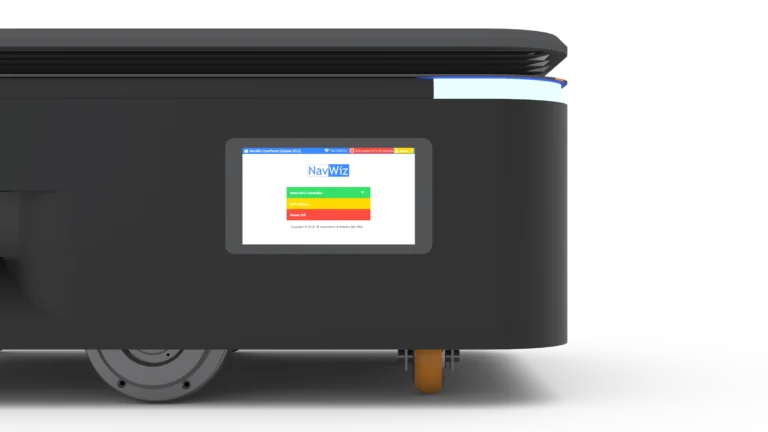
Advantages of Autonomous Mobile Robots (AMRs)
Automation and robotics have become integral components of many industries, with companies continuously seeking innovative solutions to enhance productivity and efficiency. These industries range from automotive manufacturing to food and beverage production, and even the healthcare sector.
For instance, in India, the rapidly developing automotive manufacturing hub in Pune is increasingly adopting AMRs to enhance their production capabilities. Similarly, the growing semiconductor industry in Southeast Asia, especially in countries like Malaysia and Thailand, are broadly investing in AMRs to optimize their manufacturing processes. Even developed countries like Singapore and South Korea are leveraging AMRs widely in their advanced industrial operations. This broad adoption highlights the importance of AMRs in modernizing industrial workflows and maintaining competitive advantage.
In many cases, Autonomous Mobile Robots (AMRs) have shown considerable potential in streamlining operations and boosting productivity across various sectors. Learn more about AMR here – What is AMR? . However, before making a substantial investment in AMRs, business owners must carefully consider both the advantages and disadvantages of these advanced machines. Let’s take a closer look at the pros and cons of AMRs.
1. Consistent and Reliable Workforce.
Unlike human workers, AMRs do not experience fatigue, allowing them to operate around the clock without the need for breaks. This capability is particularly beneficial to companies with 24/7 operations, as it ensures continuous production without the worry of shift shortages. The consistent performance of AMRs helps maintain steady output levels, leading to increased overall productivity. Additionally, AMRs are driven by precise algorithms, which enhance their precision and accuracy, often surpassing human capabilities in tasks that require attention to detail.
2. Enhanced Safety for Employees
Workplace safety is a critical concern in many industries, especially those involving heavy lifting and hazardous environments. In sectors where employees are required to handle heavy loads, such as automotive manufacturing or logistics, the risk of injury is high. The recommended maximum weight for manual lifting is 25kg, which can be restrictive and increase the risk of injury. AMRs can relieve the burden by transporting heavy loads more efficiently and safely. Moreover, AMRs can be deployed in dangerous environments, such as nuclear facilities or chemical plants, reducing the need for human presence in these high-risk areas thereby enhancing overall workplace safety.
3. Reduction in Operational Costs
One of the significant advantages of integrating AMRs into a facility is the potential reduction in operational costs. By utilizing AMRs, companies can decrease their reliance on unskilled labor and reduce the costs associated with hiring and training employees. Furthermore, the need for overtime pay is minimized as AMRs can work continuously without additional compensation. AMRs also help reduce product damage during transportation, a common issue caused by human error. The precise and consistent handling of goods by AMRs ensures that products reach their destination intact, leading to cost savings and improved efficiency in the supply chain.
Disadvantages of Autonomous Mobile Robots (AMRs)
1. High Initial Investment
Despite the numerous benefits, the initial costs of acquiring and implementing AMRs can be extremely high for business, particularly if they are being evaluated on a short-term basis. The expenses include not only the purchase of the robots themselves but also the associated potential expenses. However, it’s important to consider the long-term benefits and potential return on investment (ROI) that AMRs can offer, which can be done easily using a ROI Calculator. Over time, the efficiency gains and cost savings achieved through the use of AMRs can offset the initial investment.
2. Limited Flexibility in Some Cases
While AMRs are highly advanced, some models have limitations on the movements that affect their flexibility and adaptability. For example, AMRs guided by magnetic tape require dedicated tracks to navigate the facility. This can pose challenges if the facility layout needs to be modified, as the tracks would need to be reconfigured accordingly. Additionally, certain AMRs have restricted movement capabilities, such as only being able to move forward. This limitation can be problematic in dynamic environments where sudden changes in direction are necessary.
Ultimately, every innovation comes with its own set of benefits and challenges. Robomate will always strive to provide the best AMR and service to our customers according to operational needs, allowing for greater flexibility and adaptability.
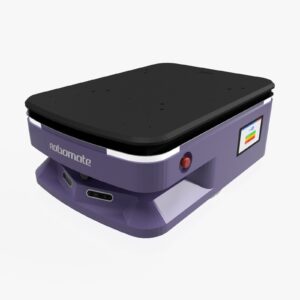
In summary, the adoption of Autonomous Mobile Robots (AMRs) presents both significant advantages and notable challenges for businesses across various industries. The potential for increased productivity, enhanced safety and reduced operational costs makes AMRs a great option for companies looking to optimize and streamline their operations. However, the high initial investment and potential limitations in flexibility are important factors before making a decision.
At Robomate, we are committed to providing top-quality AMRs and exceptional service to our customers. Our goal is to ensure that the integration of AMRs into your operations is seamless and beneficial, delivering long-term value and driving operational excellence. By carefully evaluating the pros and cons of AMRs, businesses can make informed decisions that align with their strategic objectives and make a way for a more efficient and productive future.
For more information, feel free to contact us at sales@robomate.com